 Kennedy Consulting
Fuel Conservation
Reduce gallons per 1,000 GTM through idle reduction, throttle strategy, train make-up, and aerodynamic improvements.
Practical, data-backed consulting across fuel conservation, aerodynamics, emissions, and operations — field-tested over three decades.
Practical, data-backed consulting across the operations and sustainability spectrum.
Reduce gallons per 1,000 GTM through idle reduction, throttle strategy, train make-up, and aerodynamic improvements.
Spatial analysis of routes, grades, and fuel flow to pinpoint where consumption and emissions can be cut.
Feasibility studies, merger-impact modeling, and ROI analysis for new locomotive and biofuel technologies.
Wind-tunnel and CFD-informed design changes for rail cars, intermodal containers, and locomotives.
Sustainability reporting and SBTi-aligned strategy to lower locomotive emissions while protecting the bottom line.
Evaluate biodiesel and synthetic-fuel adoption with full ROI and emissions-reduction analysis.
The sleeping giant of rail fuel conservation. No existing technology will save as much fuel long-term as chasing better aerodynamics — here's why, and what the data shows.
At freight speeds, a railcar spends a remarkable share of its energy simply pushing air out of the way. Close the gaps that create turbulence — voids along the roofline, spaces between dump chutes, the blunt faces of stacked containers — and you cut drag, fuel burn, and emissions in one stroke. The challenge is proving it, car by car, and making the modifications pay for themselves.
Something small can create a huge amount of drag. On the Wright Flyer, most of the drag came not from the wings but from the guy wires and struts. The same is true on a train: walkway supports, railings, and gaps between cars quietly dominate the air resistance. Find them, close them, and the fuel savings follow.
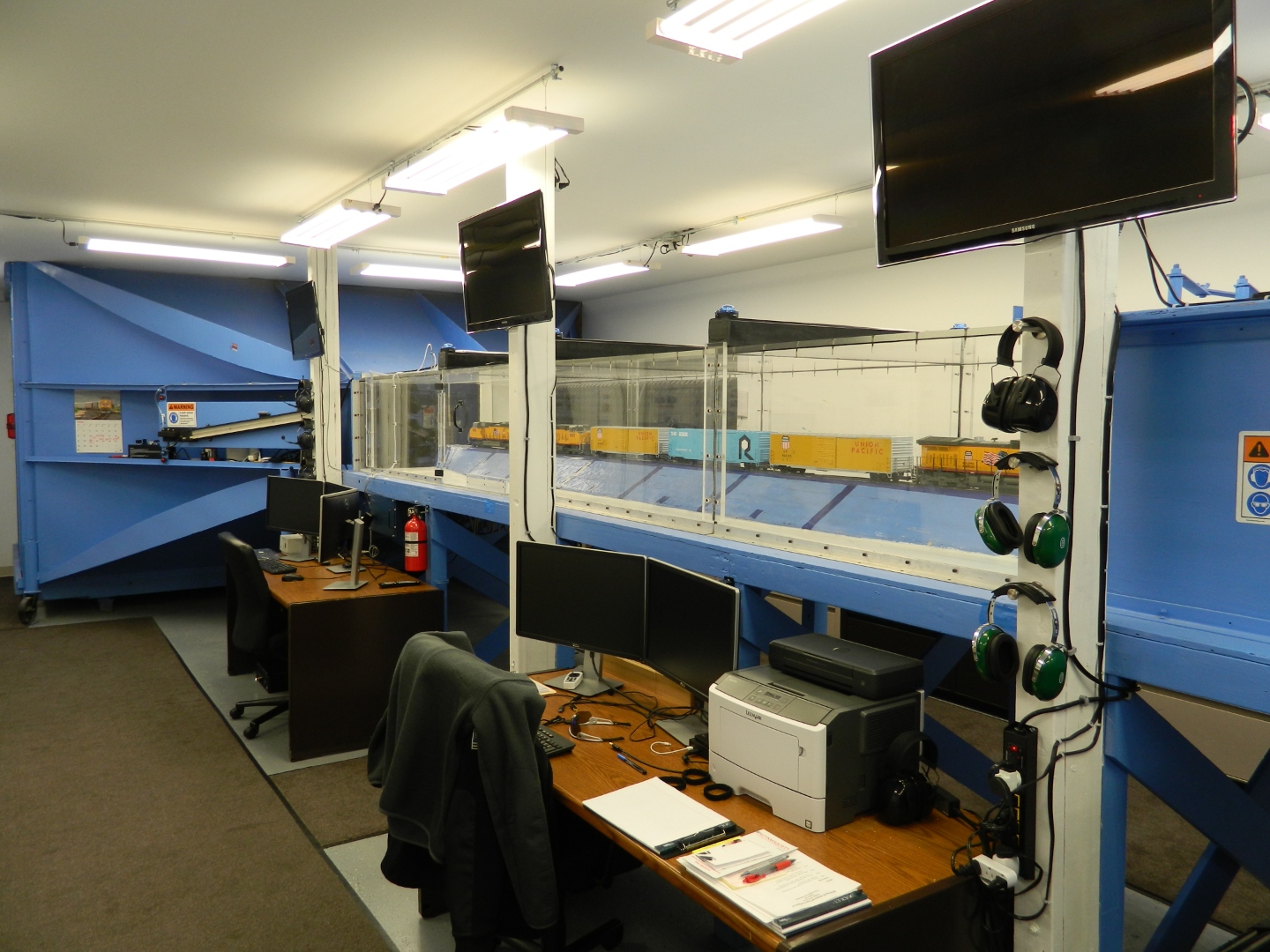
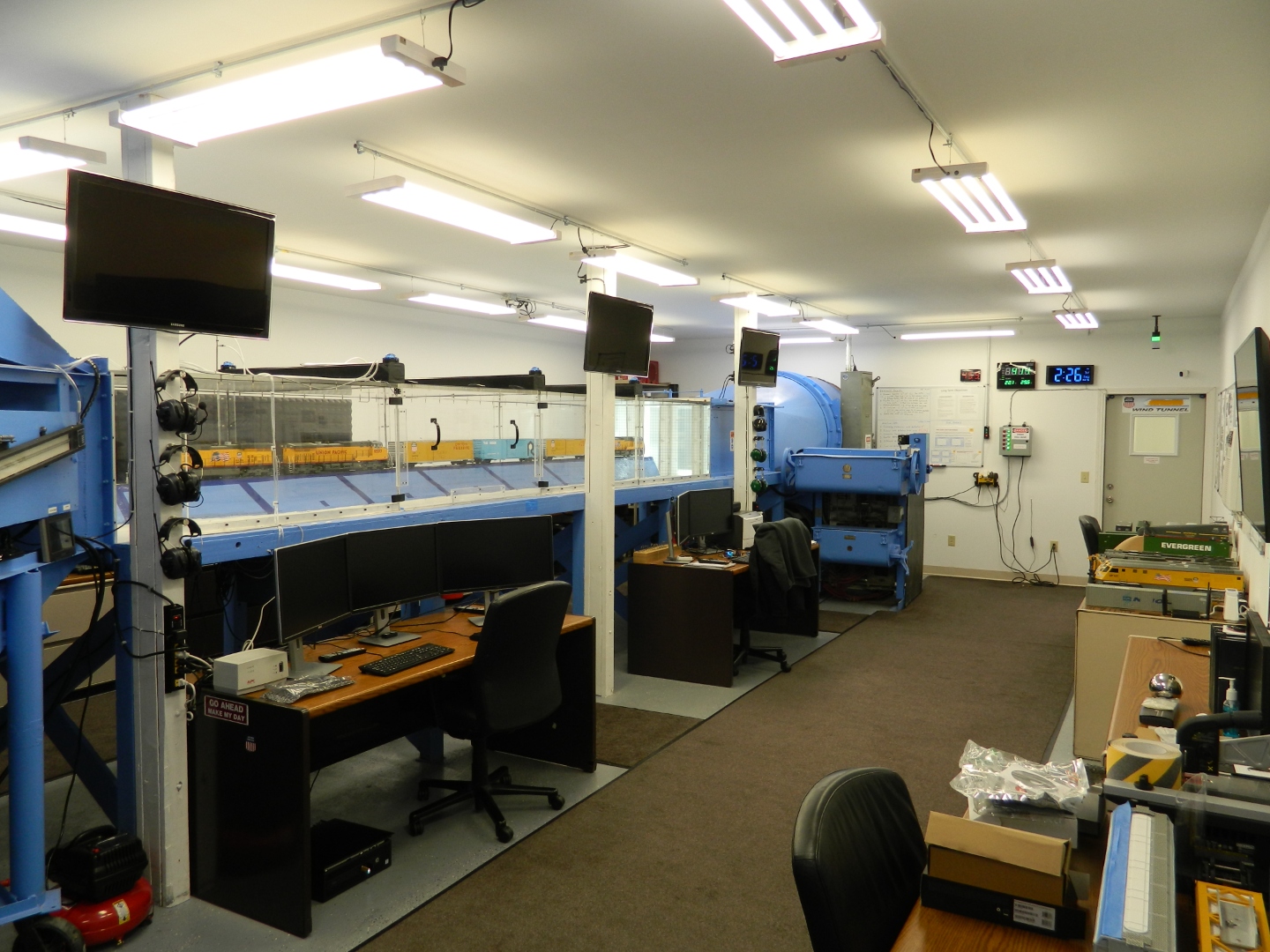
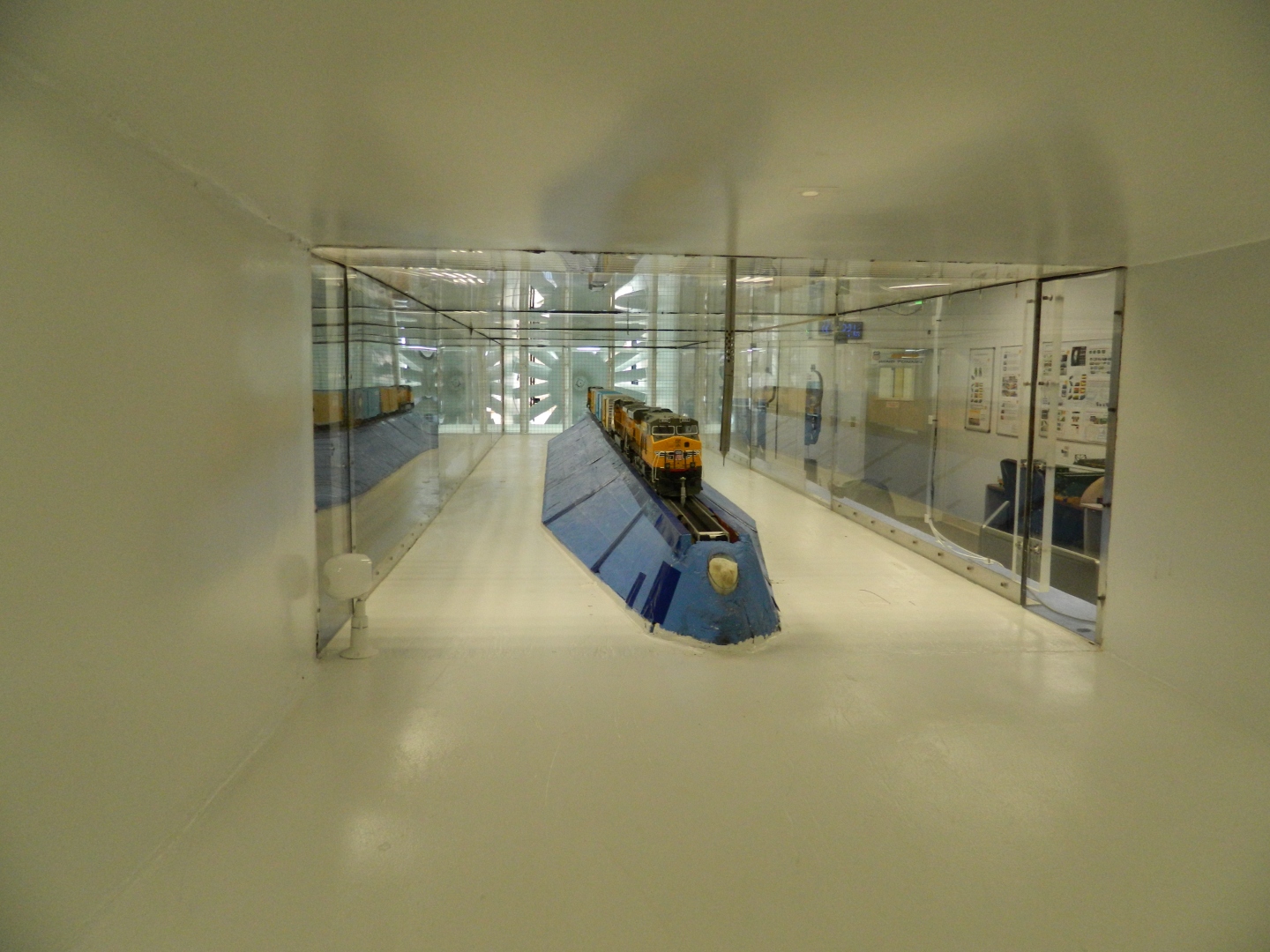
A 50-foot mach 0.2 subsonic tunnel pumps air past G-scale models at 100 mph, measuring velocity, temperature, and barometric pressure to compute each design's drag coefficient. Paired with CFD and a BYU engineering partnership, it turns hunches into measured, defensible results.
Tunnel results carry into the field: 112 life-size modified covered hoppers instrumented and run in high-mileage service confirmed a 4–7% fuel savings. Refrigerated boxcars, intermodal containers, and autoracks have all been assessed and improved the same way.
Railroads have committed to deep emissions cuts by 2030, yet fuel efficiency is improving only about 1% per year — far short of target. Aerodynamics is the proven, near-term lever that can deliver 5–10% reductions without waiting on a new fuel or a new locomotive fleet.
Deflectors, fairings, roof and side treatments, and screen systems retrofit existing fleets — the engineering behind six issued U.S. patents. Solutions like the Corrugated Metals Aeroscreen and roof/side riders make aerodynamic treatment practical at fleet scale.
The trucking industry's SuperTruck program showed what coordinated aerodynamic focus can achieve. Rail has even more to gain — long consists, high mileage, and decades of fleet life multiply every percentage point of drag reduction into real money.
Want the full picture? Read my Trains magazine feature on closing the aerodynamics gap.
See Publications & PresentationsBeyond fuel and aerodynamics, I advise on a growing set of specialized engineering challenges where data, materials, and predictive analytics reshape how railroads operate and stay resilient.
Machine-learning and analytics models applied to operations, asset utilization, and fuel strategy — turning railroad data into decisions that lower cost and raise throughput.
Evaluation of concrete crosstie performance, durability, and lifecycle economics against timber — where they pay off, how they fail, and how to specify them for heavy-haul track.
Sensor-based structural monitoring of rail bridges — strain, deflection, and fatigue data that catch deterioration early and shift maintenance from calendar-based to condition-based.
Geospatial and predictive modeling of flood zones, washouts, and rockfall risk along the right-of-way — giving operations advance warning to protect track, crews, and trains.